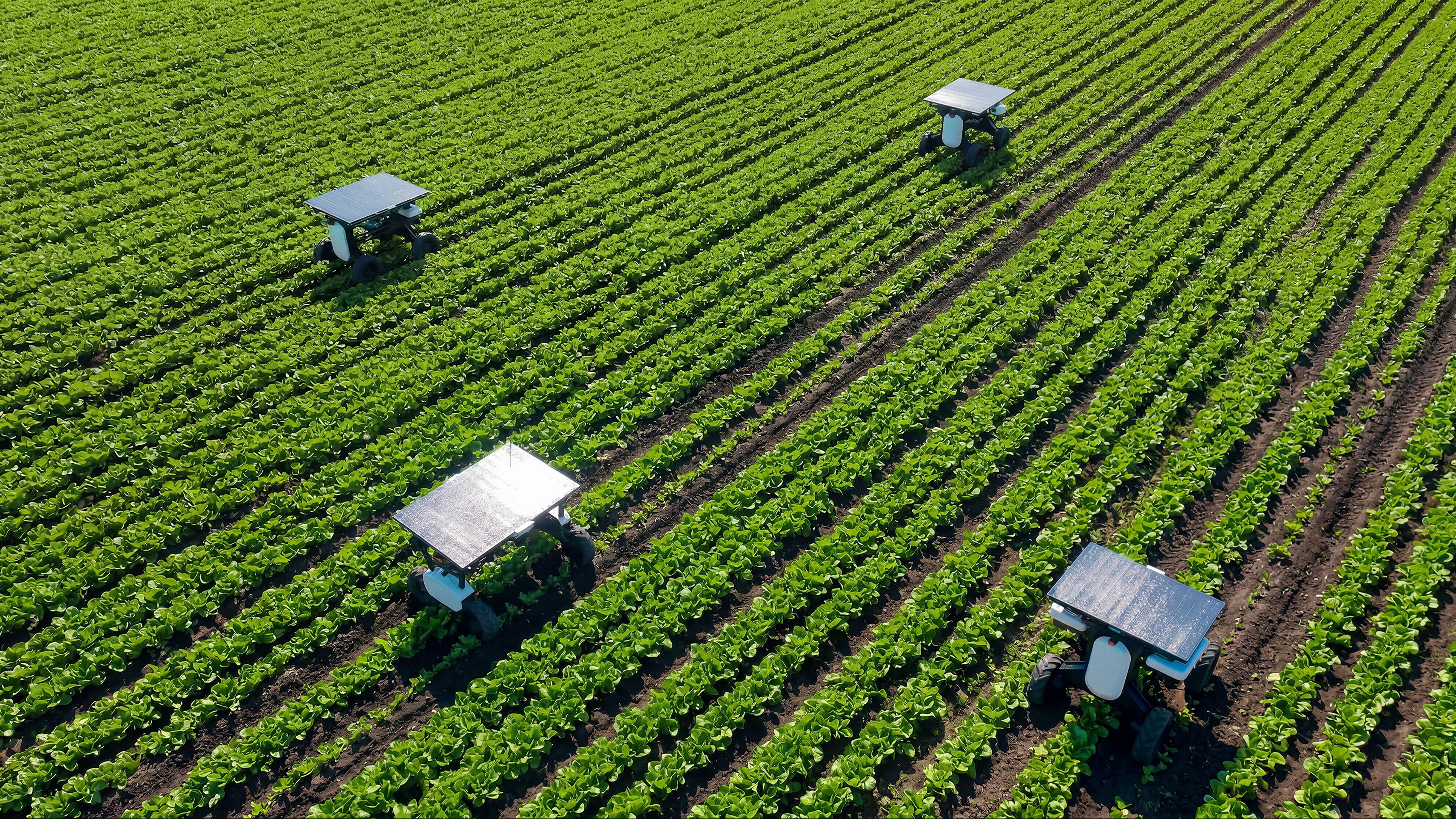







Robofauna
3 April 2025


Autonomy
Autonomy
The agent of abundance

Implications
When physical capability is no longer the limiting factor of human ambition, what gets built will be determined not by how many hands are available, but by the quality of the ideas we can generate.
With the ability to engineer across diverse architectures, materials, and scales of coordination the frontier of autonomy and robotics will far exceed our wildest imaginations.
We have only begun to scratch the surface of robotics deployments today with only 50m currently deployed.
50m
A small percentage of Earth is currently accessible to robotics - this is changing rapidly.
1-3%
By 2035, there will be 5x+ growth in deployments, the tip of the iceberg of what’s coming.
250m
Physical data is near-infinite, but has historically been hard to generate and organize in useable form. There are 10⁸⁰ known atoms in the observable universe.
10⁸⁰
Companies
“We’ve always believed the ocean was Earth’s most mismanaged resource, and if we had better tools, it would be transformative for society. The technology exists to build persistent, autonomous infrastructure across the ocean without sending human beings into the abyss. The fleet of machines we send into the ocean must be able to manipulate, intervene, and repair, which means that they need arms, tools, and the dexterity to do meaningful work at depth. If they can, you’ve turned a sensor network into an industrial presence.”
Will O'Brien
Co-founder, Ulysses

Applications
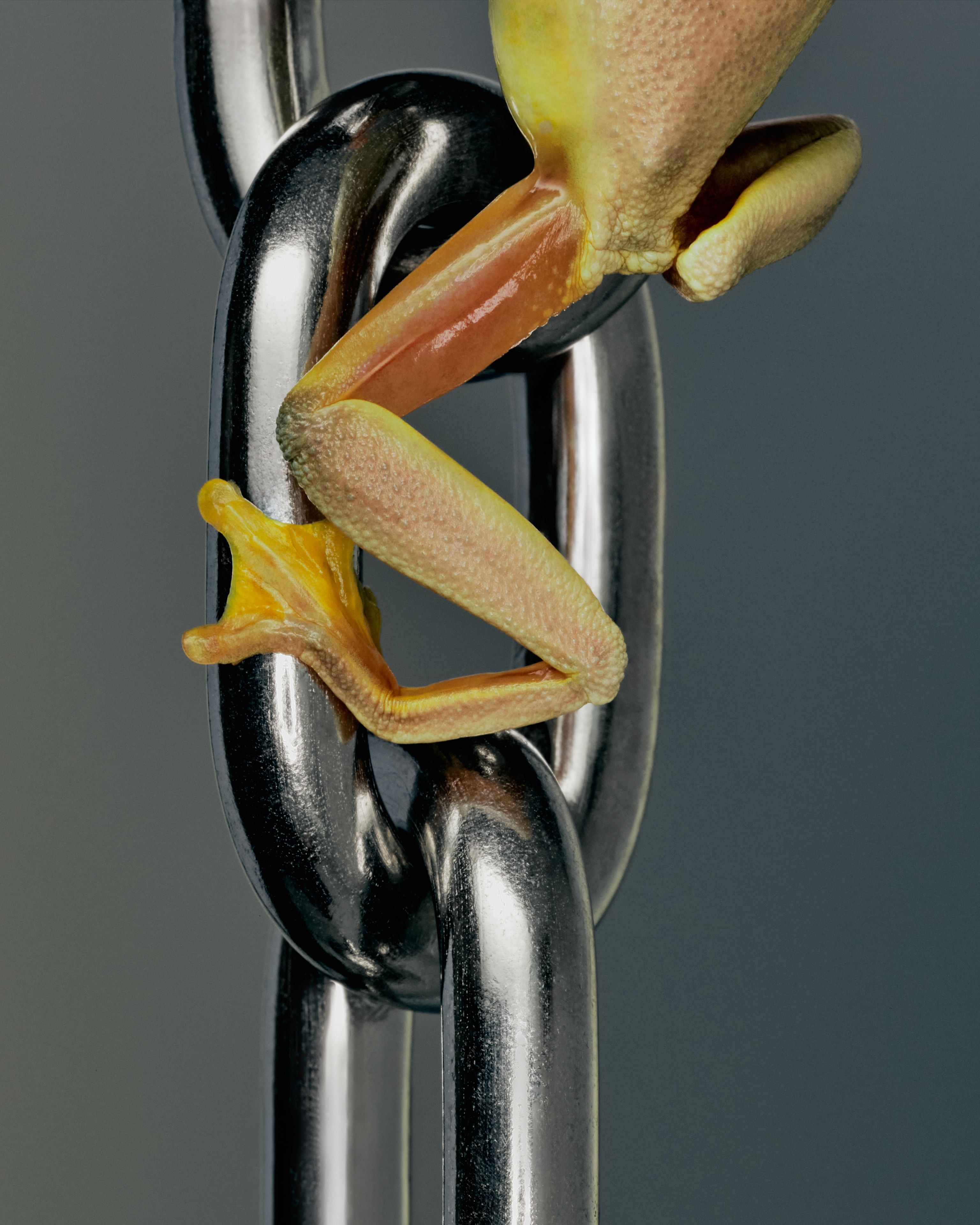
Evolution has spent millions of years solving movement through Earth’s wildest places. Robofauna borrows nature’s best designs to build more capable robots, from climbing like geckos to flying like birds.
Tiny machines built from individual molecules. They can perform tasks inside our bodies or manufacture materials with unbeatable precision.
Machines and materials that can build or repair themselves. This could unlock massive scale robotics with capabilities that biology already has.
Factories, mines, fabs, and other industrial sites that can largely operate themselves. These make critical industries safer, cheaper, and more productive, allowing us to reach the scale required to impact the physical world.
Combining living tissues with machines to unlock capabilities traditional technology can’t match. Think biological computers, more efficient sensors, and entirely new kinds of machines.
AI built into physical machines and robots that learn by doing, improving their models by interacting with the world. The same hardware that senses and moves also runs the learning, instead of relying on a distant cloud or central brain.
Using AI and robots to design experiments, run them automatically, and discover new ideas faster than people alone could.
Robots made from novel and flexible materials instead of just rigid metal. They can move more safely around our world and handle delicate objects with care.
Signals