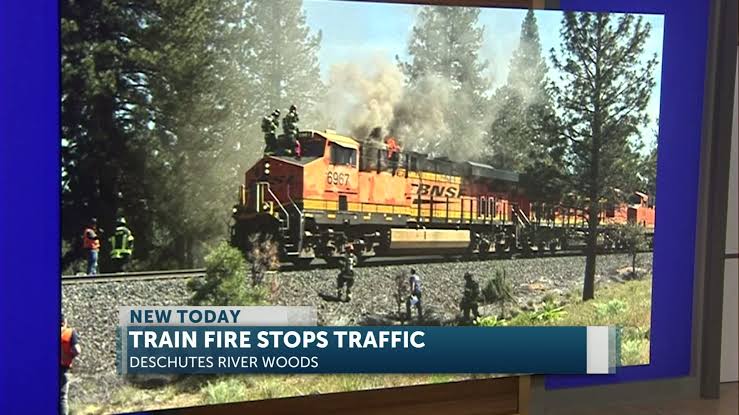
Train fire near Deschutes River Woods highlights value of defensible space
2 months ago

BurnBot
BurnBot

Intelligence, Autonomy , Matter, Energy
Series B
Why we invested
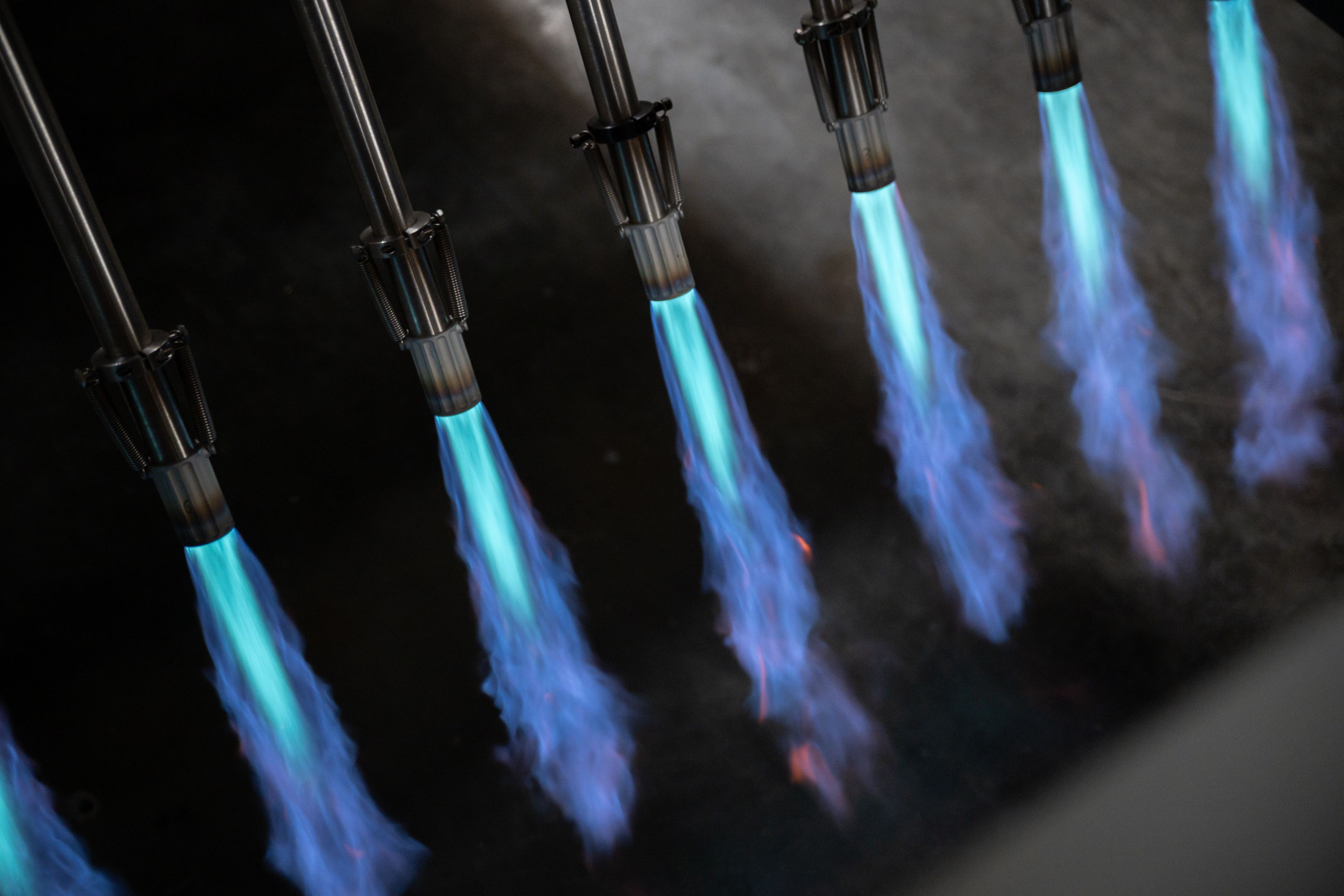
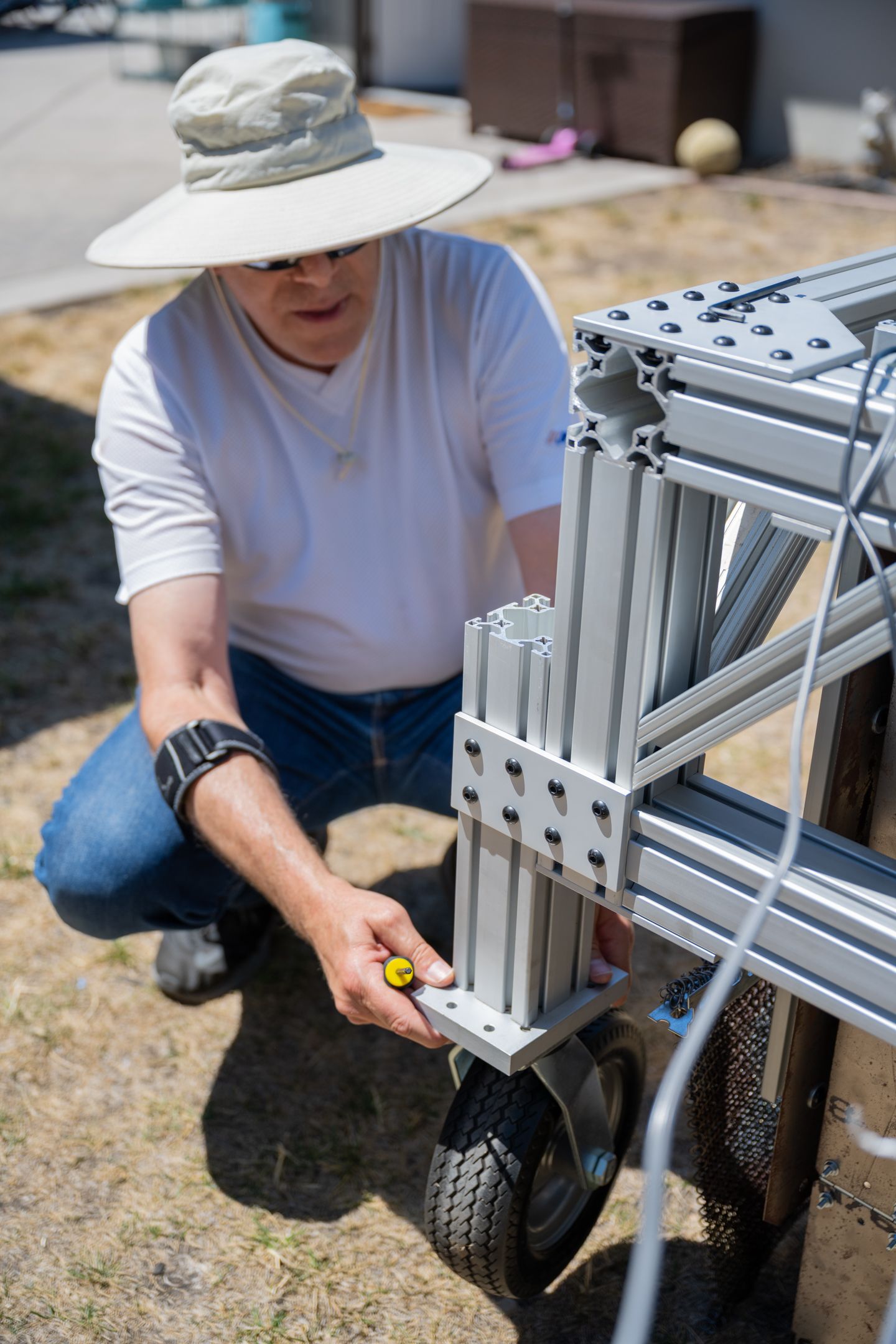
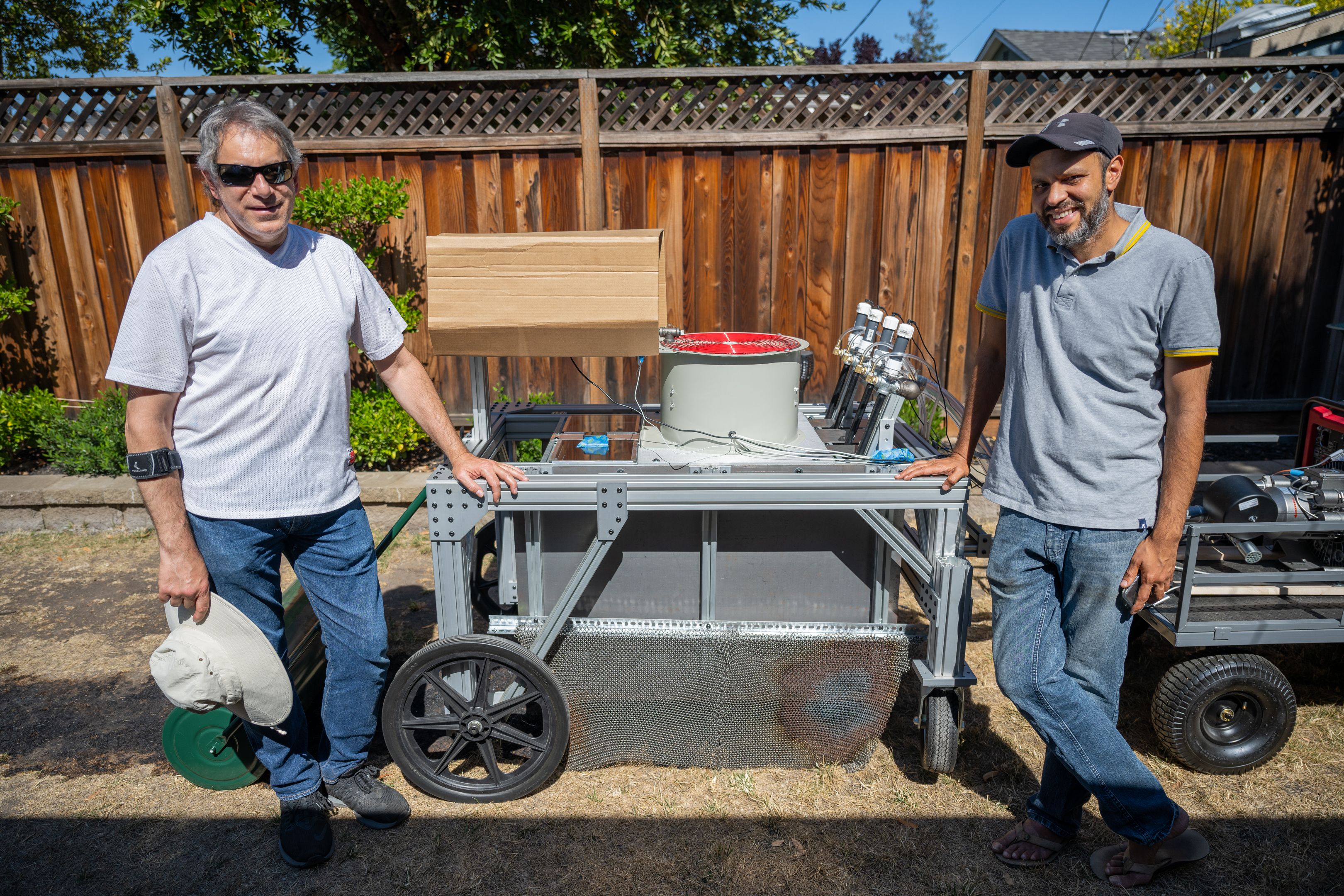
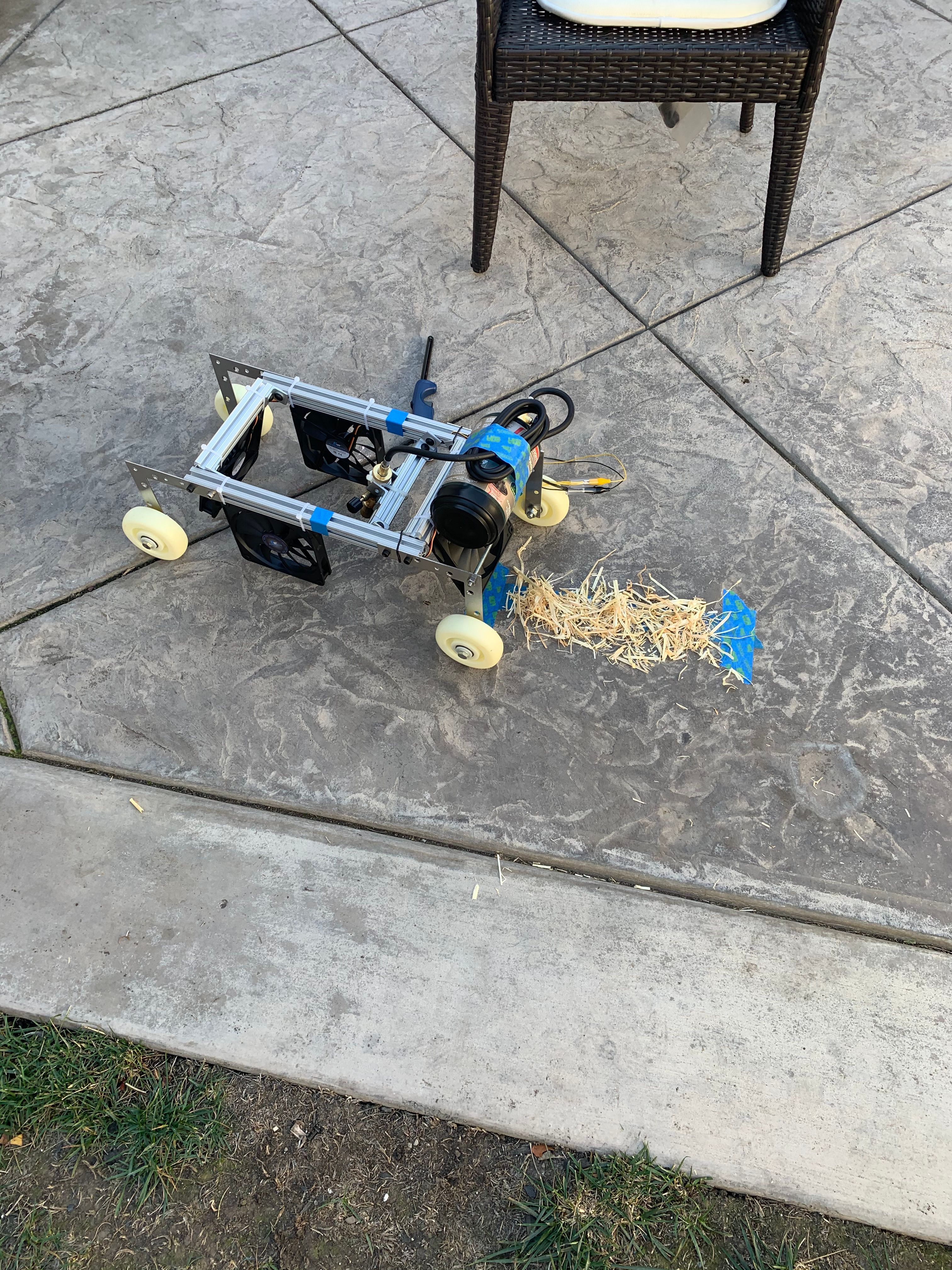
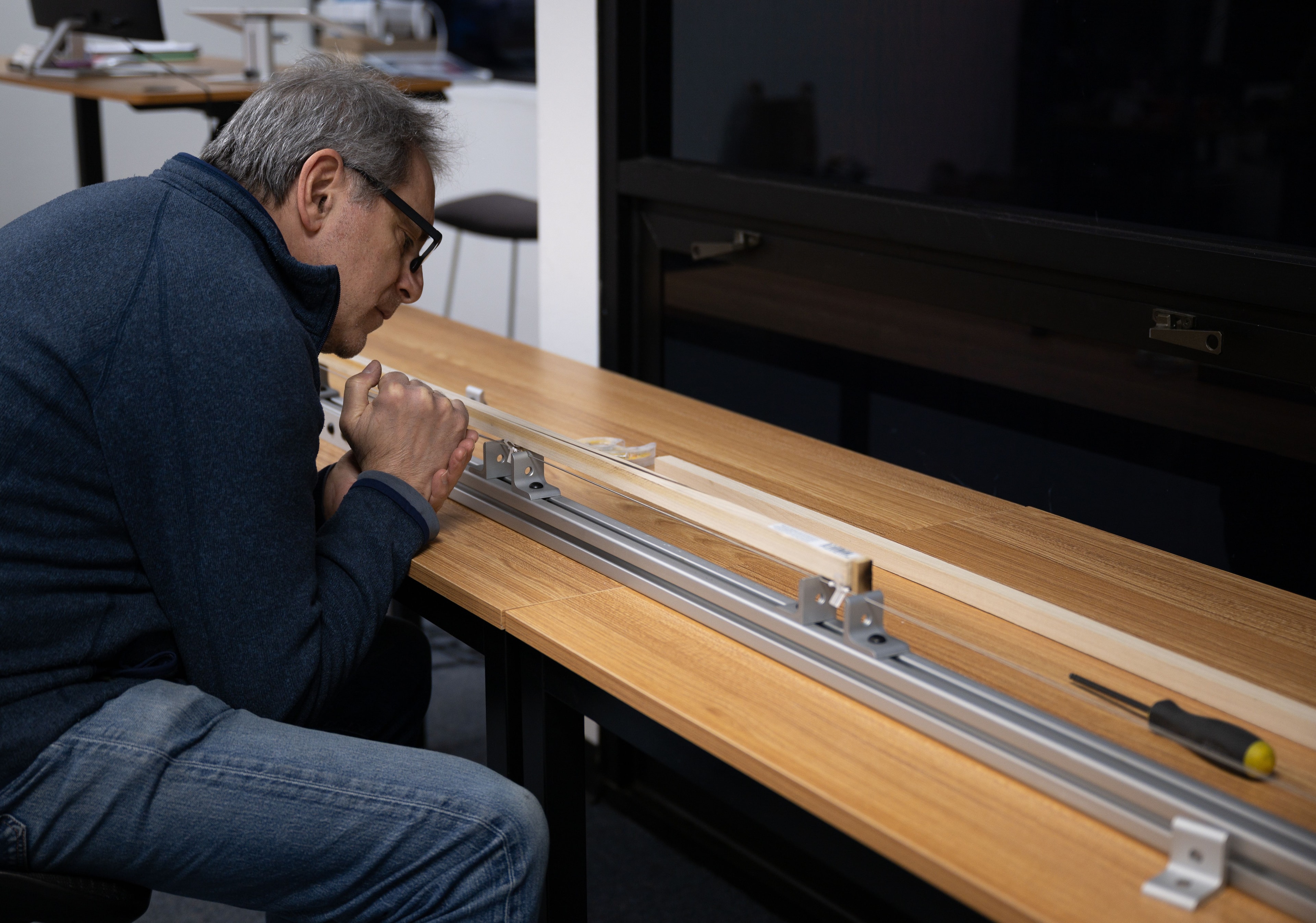
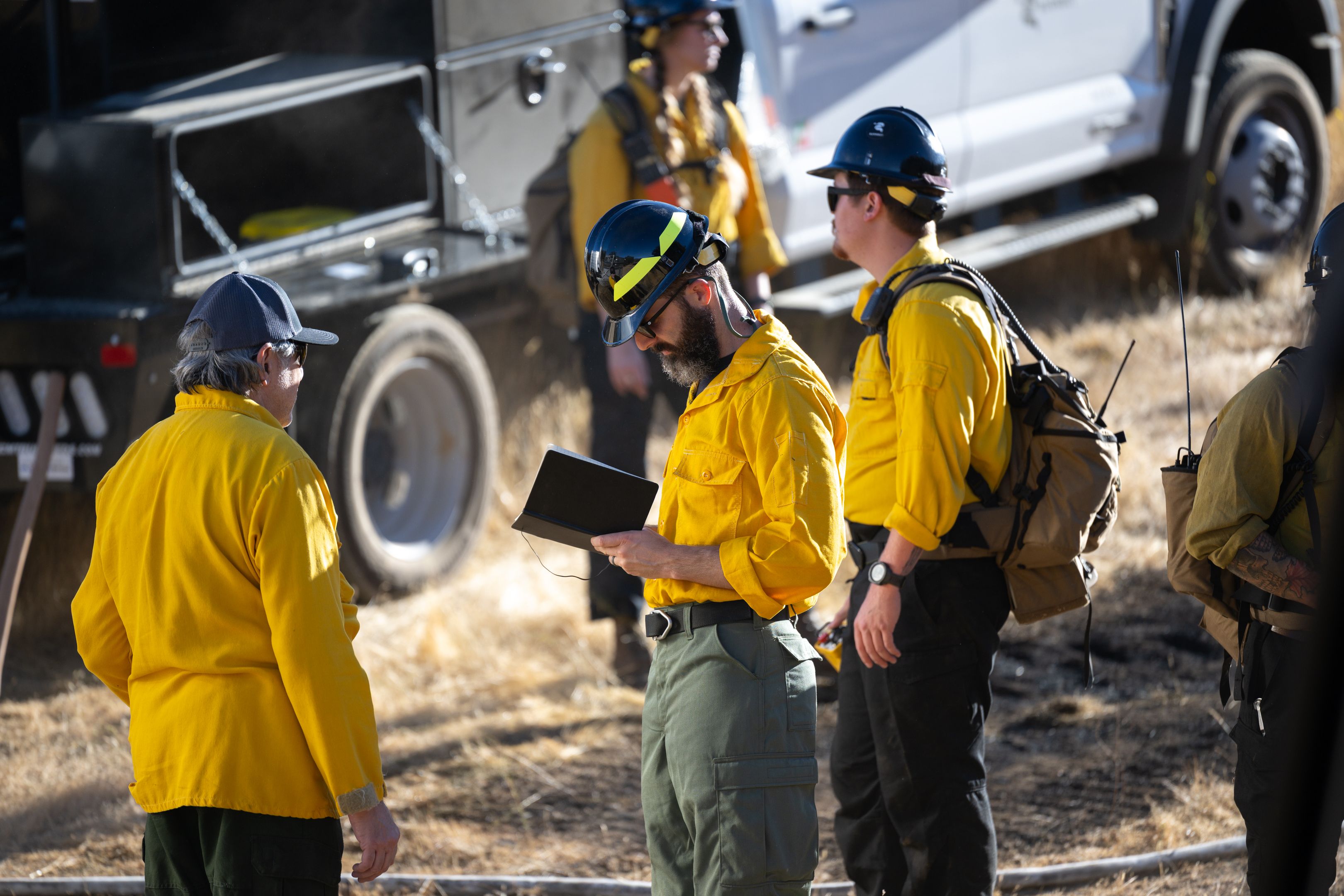
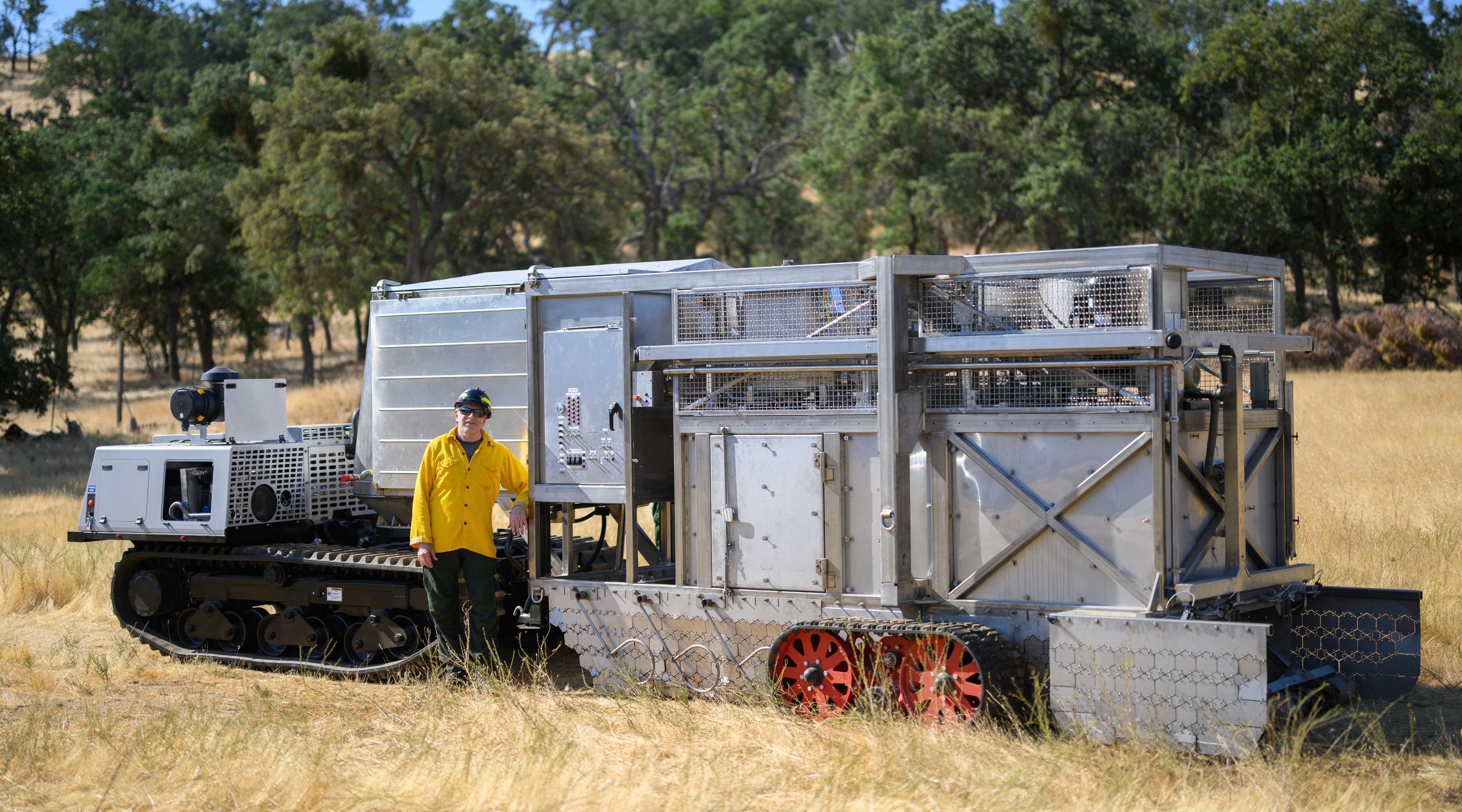
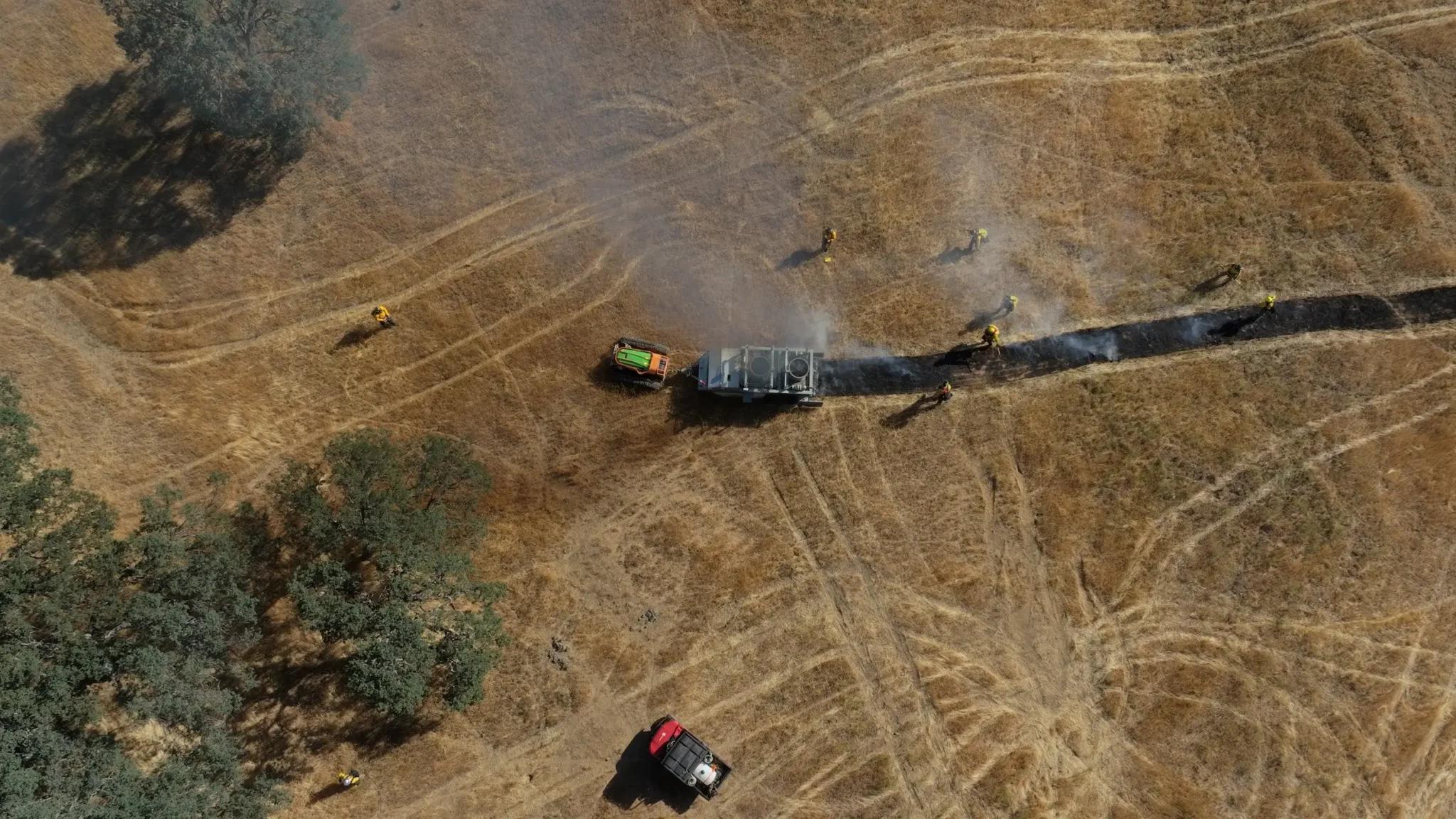
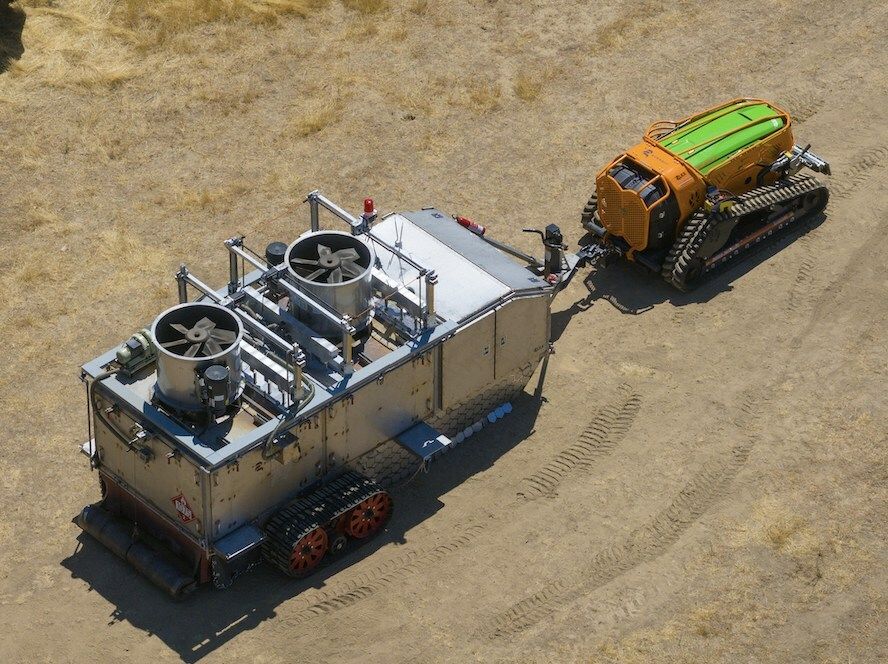
Good fire cuts wildfire intensity by 10x, GHG emissions by 80%, and asset damage by 8x. Yet the US treats less than 2% of the acreage required each year, because the work has historically been manual, expensive, toxic, and limited to shrinking weather windows. BurnBot assesses land remotely, identifies high risk areas, and then sends robots that burn vegetation in sealed chambers that trap fire, smoke, and particulates. The burnt fuel is mulched, returned to the soil, or routed into local clean-energy markets. Every treatment feeds a model that continuously tracks wildfire risk, allowing recurring interventions to maintain the health and safety of treated land.
BurnBot's robots treat land at 60x the productivity of human crews, with 10x greater throughput, year-round, in any terrain. This makes wildfire prevention cheap enough to fund from ordinary budgets for the first time. Every acre treated produces data that makes real-time risk legible to insurers. As risk becomes priceable, insurers can underwrite prevention, utilities, property owners, and state agencies can fund maintenance as critical infrastructure. Rather than give in to adaptation and abandonment, a proactive maintenance market for halos of protection is created where none existed before.
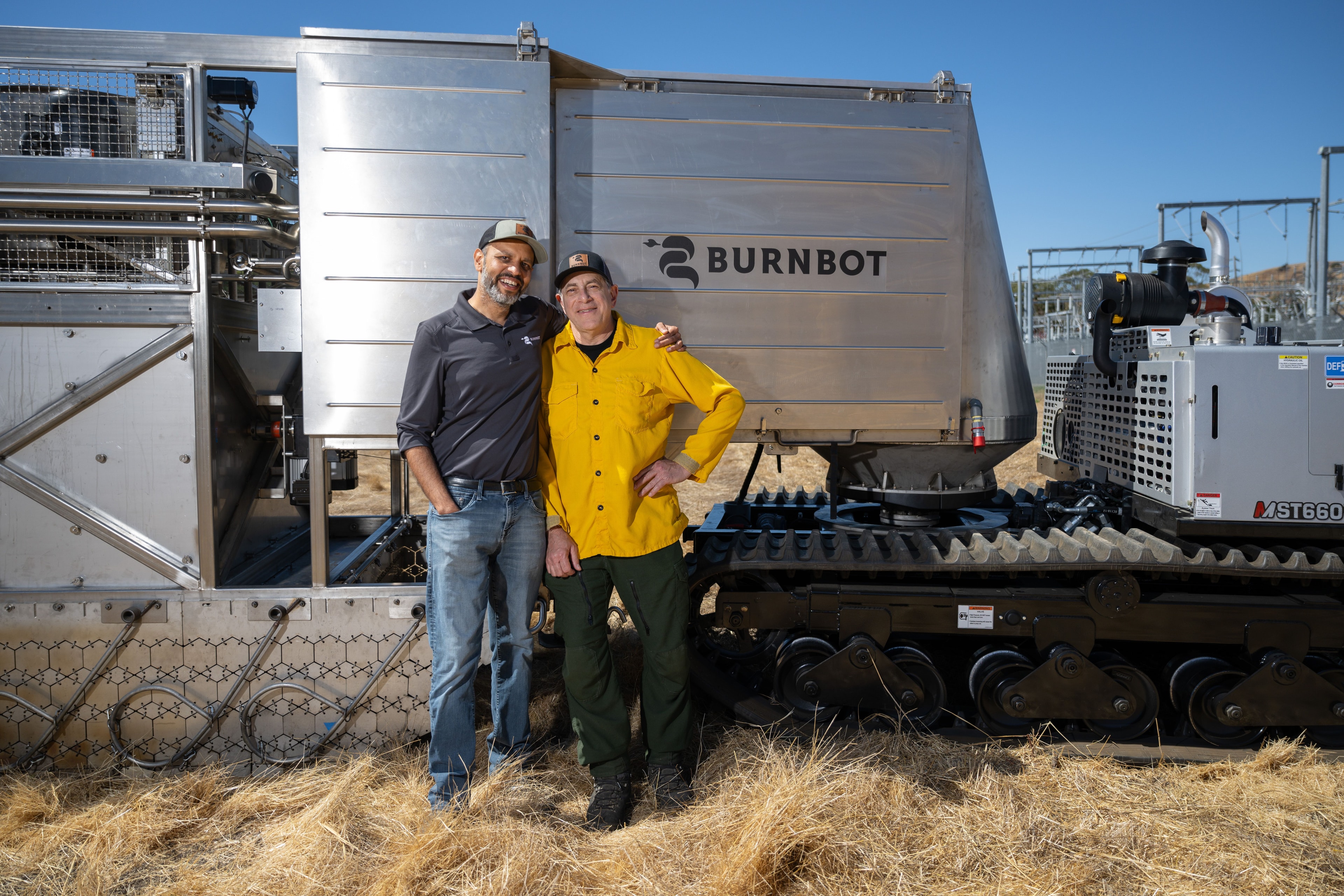
Anukool is a second-time founder who lived through two of the century's defining fires: the Paradise fire in California and Black Summer in Australia. He and his wife Shefali, founded Wonder Labs to support fire crews and communities on the frontlines. It was there they identified the real constraint: rapid response was not the answer to preventing catastrophic wildfires, scaling fuels treatment was. BurnBot was the outcome of that insight.
BurnBot is building the capacity to treat billions of acres annually, protecting trillions of dollars in property, saving millions of lives and mitigating gigatons of carbon emissions from catastrophic wildfires every year. At the same time as they reduce risks, they proactively improve the health of forests, resiliency of watersheds, and return of fire adaptive native plants. The wildland defense prime becomes both critical infrastructure, and the abundance operator for stewarding ecological regeneration.
Highlights
BurnBot is founded by Anukool Lakhina and Lee Haddad
Pre-Seed led by Convective Capital
Seed round with Onto, Lowercarbon Capital, Floodgate, and DCVC
RX1 and RMT launched for field operations
Series A led by Onto
RX2 launched
Series B led by DBL Partners
Preemptive financing from Nuveen and Mercury Insurance to accelerate scale
“I think a solution is inevitable. And shame on us if we can’t solve this problem, to be honest. I firmly believe there is absolutely no reason why humanity needs to live in a world with destructive wildfires. It’s not like we don’t know what to do. It’s not like we don’t have the resources. It’s not like we don’t have the agency. We do. So now let’s just get on with it and do the work with precision, control, and scale.”
Anukool Lakhina
Co-founder & CEO, BurnBot

News & Media
Train fire near Deschutes River Woods highlights value of defensible space
2 months ago
Robofauna
3 April 2025

Mercury Insurance Announces Strategic Investment in BurnBot to Advance Wildfire Mitigation and Make Insurance More Affordable and Available
3 months ago
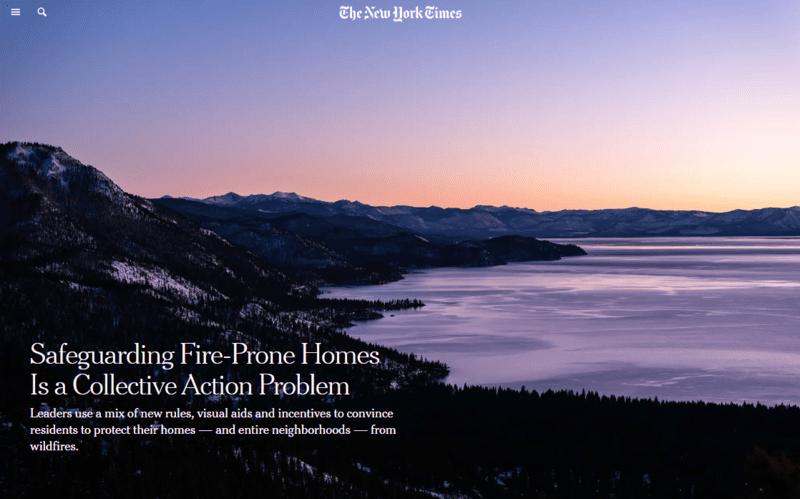
Safeguarding Fire-Prone Homes Is A Collective Action Problem
7 January 2026
Reviving Fire: The Hoopa People's Battle Against Wildfires Through Traditional Land Management
16 April 2024
Accelerating Towards a Wildfire-Resilient Future Together
2 April 2025
BurnBot Secures $20M in Series A Funding to Prevent Destructive Wildfires with Mechanized Vegetation Management
2 April 2024
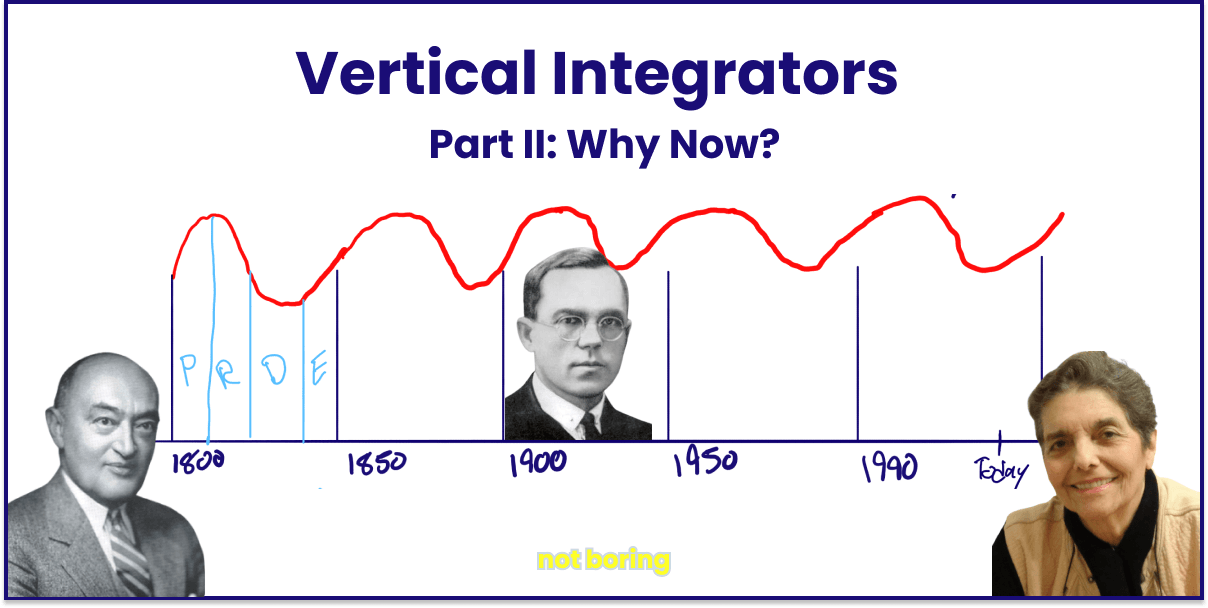
Vertical Integrators: Part II
4 September 2024
Mapping the Convergence in Robotics and AI
26 July 2024

